
Introduction
Cooking oil is used every single day, yet most Indian families don’t know how it is made or what it does to their body. Refined oils are marketed as “light” and “healthy”, while traditional cold-pressed oils are often seen as old-fashioned.
Let’s understand the real difference, clearly and honestly.
What Are Cold-Pressed Oils?
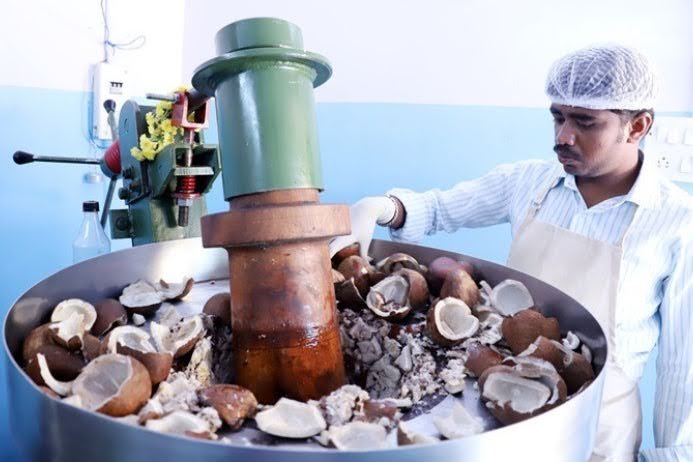
Cold-pressed (or wood-pressed) oils are extracted using slow, traditional methods where oilseeds are crushed at low temperatures.
- No chemicals
- No excessive heat
- Nutrients remain intact
This is how oils were made in Indian households for generations.
What Are Refined Oils?
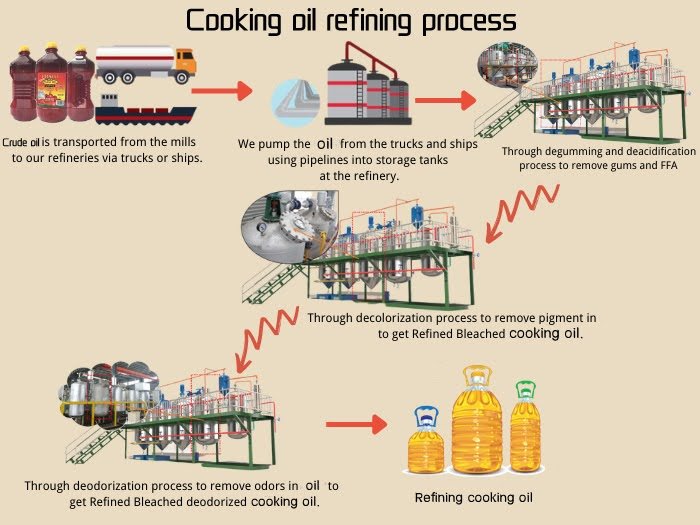
Refined oils are mass-produced using:
- High heat
- Chemical solvents
- Bleaching and deodorising processes
These steps increase shelf life and appearance but destroy natural nutrients
| Aspect | Cold-Pressed Oils | Refined Oils |
|---|---|---|
| Processing | Natural & slow | Industrial & harsh |
| Chemicals | No | Yes |
| Nutrients | Preserved | Mostly lost |
| Digestion | Gentle | Heavy |
| Long-term use | Safer | Questionable |
Why Cold-Pressed Oils Suit Indian Cooking
Indian cooking involves:
- Daily usage
- High heat tempering
- Long cooking durations
Cold-pressed oils are stable, traditional, and suitable for these conditions.
Who Should Choose Cold-Pressed Oils?
- Families cooking daily at home
- People managing diabetes or cholesterol
- Homes with children and elders
- Anyone moving away from processed foods
How to Start Switching (Simple Tip)
- Start with one oil, not many
- Use sesame or groundnut oil for daily cooking
- Store in a cool, dark place
FAQs
Is cold-pressed oil safe for deep frying?
Yes, when used properly and not reused multiple times.
Why does cold-pressed oil look darker?
That colour indicates natural nutrients, not impurity.
Final Verdict
Cold-pressed oils support better digestion, nutrition, and long-term health, making them the smarter choice for daily cooking.
Explore Anika Farms’ traditionally made cold-pressed oils – pure, chemical-free, and sourced responsibly.